Resources
Why Unified Communications Is the Backbone of Digital Workplaces
Discover how Unified Communications supports digital workplaces by connecting teams, streamlining collaboration and reducing workplace friction.
.png)
If work feels harder despite better tools, you are not imagining it. The average employee now moves between apps, chats, calls, and systems just to stay on top of a single conversation. Productivity suffers when information is scattered instead of flowing through one connected environment.
That is where Unified Communications becomes a defining layer of the modern workplace.
What Is Unified Communications?
Unified Communications refers to the integration of multiple communication tools into a single, cohesive system. This typically includes messaging, voice calls, video conferencing, file sharing, and collaboration tools working together in one environment. Instead of switching between separate platforms, users can move fluidly across communication modes depending on what the situation requires.
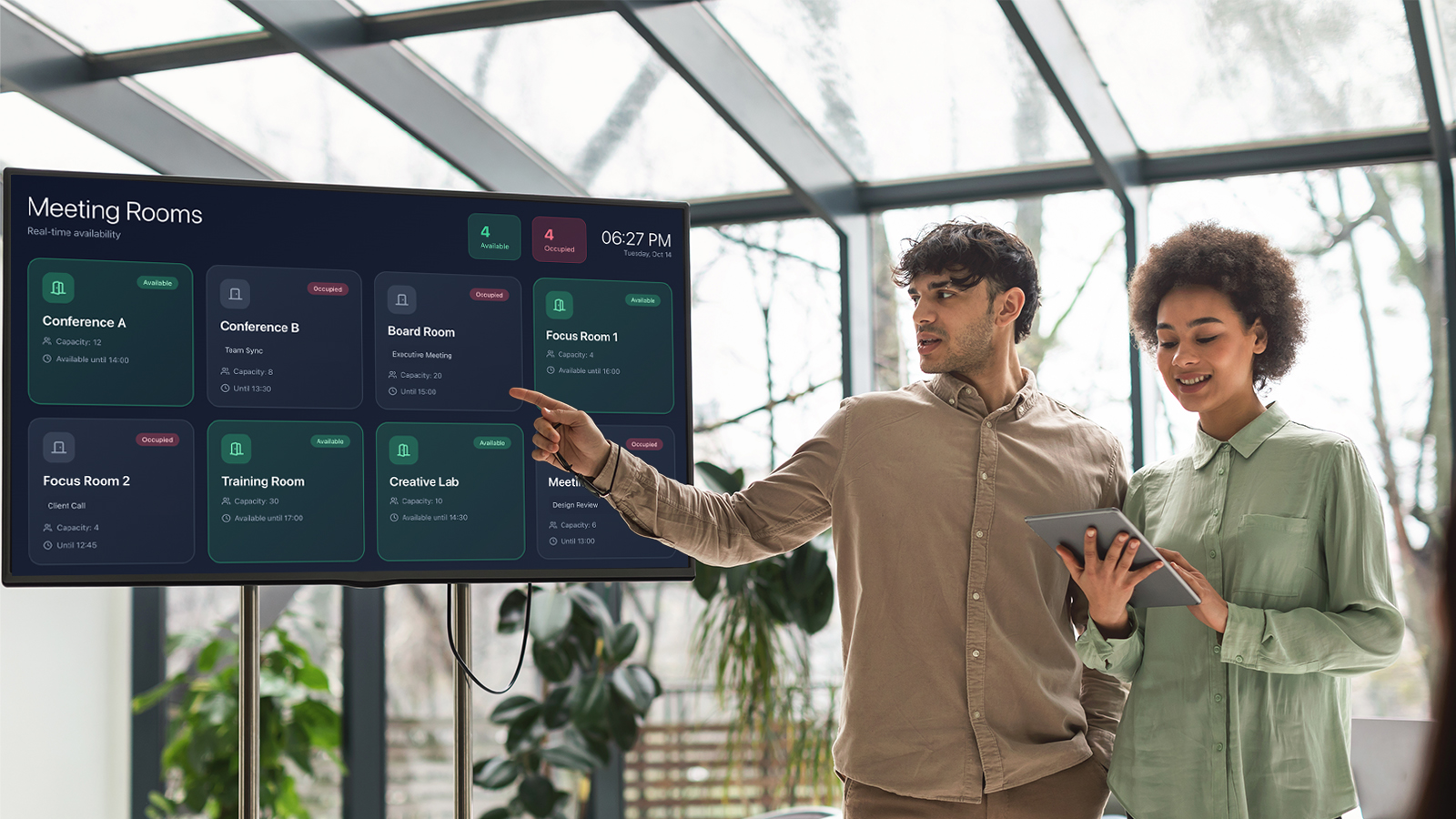
In modern workplace platforms like Athena Space, Unified Communications is integrated with workspace tools such as desk booking and meeting coordination. The goal is not only to connect people but also to connect how and where they work. When these systems are integrated properly, communication becomes part of a broader operational flow rather than a standalone activity.
Why Fragmented Workplace Communication Undermines Productivity
Tool Overload Creates Constant Switching
Employees often use different tools like messaging apps, email, and video calls at the same time. Switching between them repeatedly breaks focus and makes it harder to stay on task. This leads to lower productivity because more time is spent moving between tools instead of getting work done.
Information Becomes Scattered Across Systems
When communication is not centralised, critical information is distributed across separate platforms. Messages, decisions and documents often exist in different tools without a unified record. This makes retrieval time-consuming and increases the likelihood of missed or duplicated work.
Collaboration Slows Down Across Teams
Teams using different communication tools often struggle to maintain alignment on shared tasks. Information moves unevenly across departments, creating delays in approvals and decision-making. This slows down collaboration cycles and reduces organisational responsiveness.
Employee Experience Becomes Inconsistent
Not all employees have the same access to tools or communication channels, especially when teams use different platforms. This can cause confusion in hybrid or remote work setups. Some employees get updates instantly, while others receive them later or through indirect channels.
Security and Compliance Risks Increase
Fragmented communication increases the number of platforms handling sensitive data. Each additional tool introduces potential vulnerabilities if not properly managed. This creates challenges for maintaining consistent security policies and regulatory compliance.
How Unified Communications Supports Digital Workplaces
Centralises All Communication Channels
Unified Communications brings messaging, voice and video into a single integrated system. This reduces the need for employees to switch between multiple applications during their working day. It ensures that communication is easier to manage, track and access within one environment.
Enables Real-Time Collaboration Across Locations
Teams can communicate instantly regardless of where they are based or working from. This supports hybrid and remote working by maintaining consistent communication speed and flow. It allows decisions to be made more quickly through real time interaction in a shared platform.
Integrates with Workplace Systems and Tools
Modern UC platforms connect communication with scheduling, workflows and workplace management systems. For example, systems like Athena Space show how communication can be embedded into operational processes. This integration helps reduce gaps between planning, coordination and execution.
Improves Employee Engagement and Accessibility
A unified system ensures employees receive updates through consistent and centralised channels. This reduces the chance of missed messages and improves transparency across teams. It also simplifies onboarding by limiting the number of tools new employees need to learn.
Supports Scalability for Growing Organisations
As organisations grow, communication becomes more complex across teams and locations. Unified Communications provides a structured system that can scale alongside business expansion. This helps maintain consistency in communication regardless of organisational size.
Challenges in Implementing Unified Communications
Integration with Existing Legacy Systems
Many organisations still rely on legacy systems that are not designed for modern integration. Connecting these with UC platforms often requires careful planning and technical configuration. Without proper integration, communication inefficiencies can still remain.
Employee Adoption and Change Management
Introducing Unified Communications requires changes in how employees communicate and collaborate daily. Some users may resist adopting new systems if they are used to existing tools. Successful implementation depends on training, communication and gradual onboarding.
Security and Data Governance Requirements
UC platforms consolidate communication data across multiple channels into a single system. This makes strong security controls such as encryption and access management essential. Organisations must ensure consistent compliance with data protection requirements.
Initial Setup and Configuration Complexity
Deploying a UC system involves setting up users, permissions and integrations across different tools. This process can be complex depending on organisational structure and technical requirements. Incorrect setup may reduce efficiency and create workflow issues.
Ongoing Maintenance and System Optimisation
Unified Communications systems require continuous monitoring to remain effective. Business needs and workflows change over time, requiring system adjustments and updates. Without ongoing optimisation, performance and usability can gradually decline.
Integration With Modern Digital Workplace Platforms
Unified Communications is most effective when it is embedded within broader digital workplace systems. This includes integration with scheduling tools, workspace management platforms, and collaboration software. The aim is to create a seamless environment where communication and work execution are closely linked.
Platforms such as Athena Space demonstrate how communication can be integrated into workplace operations. This approach allows employees to coordinate meetings, manage spaces, and communicate within a unified system. It reduces friction and supports a more efficient working experience.
As digital workplaces continue to evolve, integration becomes less of an optional feature and more of a necessity. Organisations that prioritise connected systems are better positioned to support hybrid work models. This alignment between communication and operations is what ultimately drives long-term productivity gains.
Conclusion
Unified Communications is no longer just a supporting tool, but a structural foundation for how modern organisations operate. When communication is fragmented, productivity and clarity suffer, but when it is unified, work becomes more fluid and intentional. The shift is less about adding new tools and more about connecting the ones that already exist in a meaningful way.
For organisations looking to strengthen their digital workplace strategy, the focus should be on integration rather than expansion. Solutions developed by companies such as UDD Technologies reflect this direction by supporting more connected and streamlined ways of working. The key is not complexity, but cohesion, ensuring that communication supports work instead of slowing it down.
Ready to move beyond scattered tools and inconsistent communication? Contact us to see how a connected digital workplace can improve efficiency and employee experience.
Resources
.png)
.png)
.png)
.png)
.png)